
Supplier consolidation
Buying from several Chinese suppliers? How to plan one Hawaii shipment
The baskets are finished. The irrigation pipe is still being packed. A third supplier says the fittings will be ready “next week.” You would like everything to travel together to Hawaii, but nobody is working from the same date. This is an illustrative buying situation, not a customer case. It shows the coordination problem behind a combined shipment: each order has to be ready, identifiable and released for collection before it can become part of one cargo plan.
Give every order its own row
Create a shared order list before asking factories to send goods anywhere. Use a short reference for each supplier order and keep that reference on the packing list and package marks. Product names alone are unreliable: two suppliers may both describe their goods as “farm accessories.”
Track the supplier, pickup city, product and quantity, package count, packing-list revision, cargo-ready date and release status. Add one contact who can confirm each item. If the order contains pipe plus fittings packed separately, the fittings need to appear in the list; do not let them disappear inside a general description of the pipe order.
Keep the purchased quantity and the package count in separate columns. One hundred items are not necessarily one hundred cartons. The receiving team needs to know what it should physically count.
Replace “ready” with a specific milestone
Ask each supplier which statement is true: production is complete; packing is complete; the packed goods have been measured; or the order has been released for collection. An order can pass the first milestone while still waiting on the others.
For planning, record both the supplier’s promised date and the latest confirmed status. A message such as “packing complete; six packages; final weights attached; collection permitted from Thursday” is more useful than a green tick beside “ready.”
If a balance payment or another agreed condition is required before release, resolve who will confirm that condition. Do not arrange a truck on the assumption that a finished order is automatically available to leave the factory.
Agree the receiving plan before dispatch
Confirm the receiving address, booking contact, receiving hours and the reference that must accompany the goods. Get those details from the party coordinating this shipment. An old warehouse address from a previous order may no longer be the right destination.
Decide who will arrange each domestic movement: the supplier, the buyer or the consolidating party. Then record who will check arrival. “The factory sent it” and “the receiving location counted and accepted it” are two different updates.
At receipt, reconcile the package count and marks with the latest packing list and note visible packaging damage or missing packages. A receipt check is not a product-performance inspection. If you need an inspection, testing or a check inside sealed crates, agree that scope separately before the goods arrive.
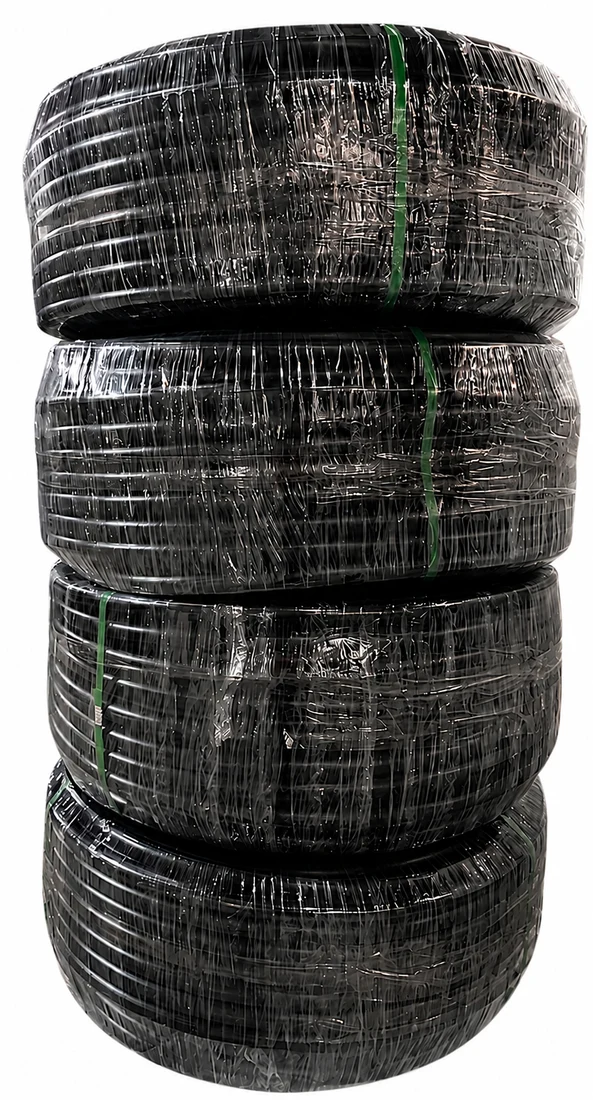
Set a rule for the order that arrives late
Before bringing the first order into storage, agree a receiving deadline and what happens if another supplier misses it. The useful decision is whether to hold the ready cargo, move it separately, or defer the late order to another suitable shipment. Each option needs its own cost and timing assessment.
For example, if a pump is ready but the fittings needed to install it are delayed, ask whether receiving the pump alone would actually help. If the late goods are spare stock for a future project, the answer may be different. These are planning examples; they are not promises that separate space or a later departure will be available.
Ask whether holding cargo creates storage, additional handling or repacking charges, and when those charges would start. Set a named decision-maker and a date for reviewing the exception. That prevents an indefinite wait while each factory assumes somebody else is deciding.
Keep an item trail through repacking
If packages are combined, split or repacked, preserve the connection to the original supplier orders. Record the new package marks, what went into each package, and the updated weights and dimensions. Keep the earlier list as a reference instead of silently replacing it.
This matters when a small carton of fittings is placed with a larger item. The carton may no longer be visible as a separate piece at handover, but the buyer still needs to know where to find it. A simple package-to-order list is much easier to follow than a long chain of chat screenshots.
The International Trade Administration’s general documentation guide describes packing lists as identifying goods, packages, weights and package marks. Use that as a document-quality reference, not as a complete checklist of requirements for your particular China-to-Hawaii shipment. Confirm the actual document set with the parties handling the shipment.
Confirm what will be handed over in Hawaii
Tell the coordinator whether all goods are going to one recipient on one island, or whether they need separate handovers. Combining goods at origin does not, by itself, include sorting them again or delivering them to several addresses.
Agree how the receiver will identify each order, who will unload it and who should be contacted if a package is missing or visibly damaged. Keep the final packing list available to the person receiving the goods, rather than only to the person who placed the orders.
Super Value Hawaii can assess consolidation of suitable commercial cargo alongside our own procurement shipments. The fit depends on the goods, readiness and available space. Requests for all Hawaiian islands can be reviewed, with destination costs and handover arrangements confirmed separately.
Before you ask the suppliers to dispatch
Work through these questions with whoever is coordinating your shipment. Leave an unresolved item visible instead of filling it with an assumption.
- Does each supplier order have one reference and a named contact?
- Are purchased quantities separate from package counts?
- Are packing details final, and has collection been authorised?
- Has each supplier received the current receiving instructions?
- Who will confirm receipt and record discrepancies?
- What is the receiving deadline, and who decides whether to wait for late cargo?
- Have storage, extra handling and any inspection scope been discussed?
- Will any repacking preserve the original order-to-package trail?
- Who will receive and unload the goods at the Hawaiian destination?