
Shipping preparation
Shipping equipment from China to Hawaii: what to prepare for a quote
You have found a machine, agreed on a price and asked the supplier how much it weighs. The next question is usually: “What will it cost to get this to Hawaii?” Weight is a start, but it leaves out two details that can change the plan: how the machine will be packed and how it will be unloaded at your destination. Here is what to collect before asking for a shipping quote—and what to do when the supplier cannot give you a final packing list yet.
1. Show exactly what you are buying
Start with the supplier’s product link, model and quantity, then add a sentence about how you will use it. A conveyor for moving produce, for example, calls for a more useful conversation than an inquiry that just says “agricultural equipment.” Include the manufacturer’s specification sheet and a photo of the actual configuration you are ordering; a catalog photo may show optional parts that are not in your purchase.
Tell us about any batteries, liquids, fuel residues, engines or unusually fragile parts. Do not assume that a product accepted by a supplier is automatically suitable for the proposed shipment. These details need review before you commit to shipping.
2. Ask for packed measurements, not just product size
Request the length, width and height of every crate, pallet or carton after packing, along with gross weight and the number of packages. Use one set of units consistently. Gross weight includes the packaging; the machine’s net weight alone does not describe the load we need to handle.
Volume in cubic metres is length × width × height when all three measurements are in metres. For example, a hypothetical crate measuring 1.2 × 1.0 × 1.5 metres occupies 1.8 cubic metres. This is a measurement example, not a rate calculation or a customer shipment.
A small change in the packing can be a large change in volume. If that same example crate becomes 1.2 × 1.2 × 2.0 metres, it occupies 2.88 cubic metres—60% more space. That does not mean the freight price rises by 60%; it means an estimate based on the smaller crate needs to be checked again. Ask whether handles, frames or attachments will be removed for transport, and who will put them back on arrival.
Ask whether the packages can be stacked, whether anything protrudes, and where the safe lifting points are. Send a packing photo or drawing if available. If final packing is not ready, label the measurements as estimates and arrange to confirm them before shipping.
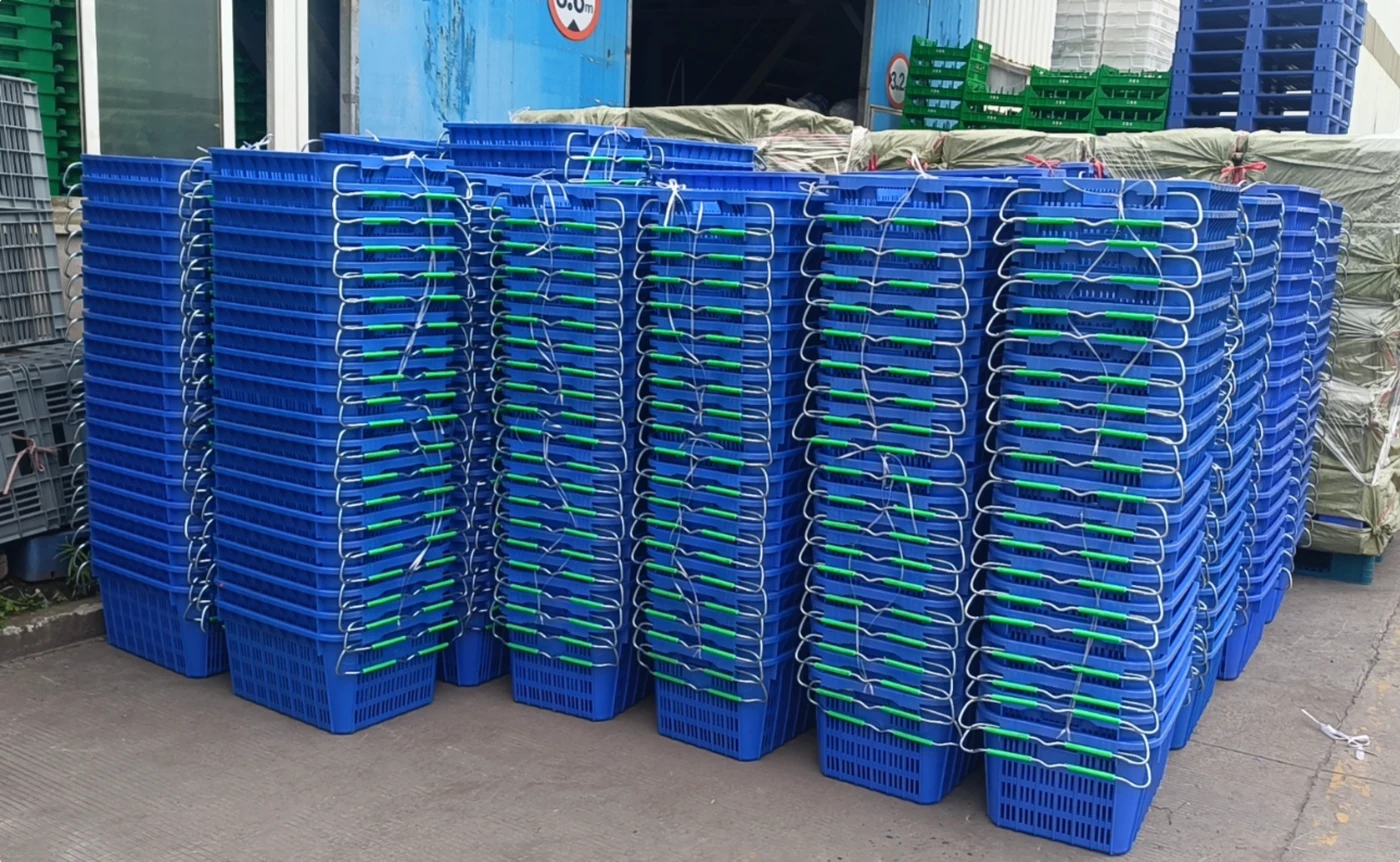
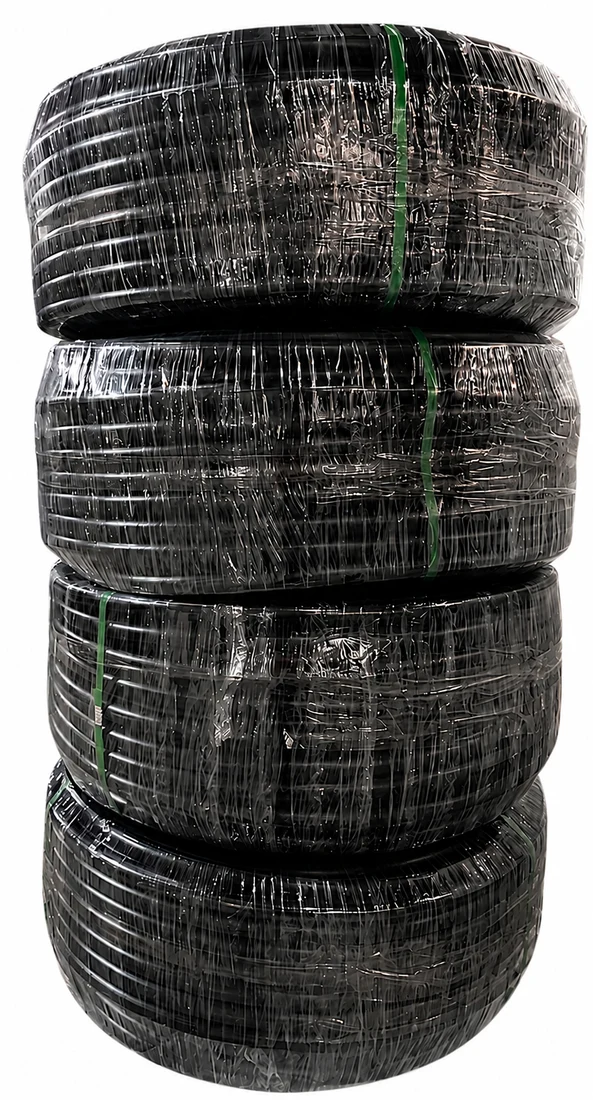
The same distinction applies to farm supplies. For nesting harvest baskets, request the dimensions of the packed stack rather than multiplying one basket’s height by the quantity. For coiled pipe, specify the finished coil’s outside diameter and width as well as the pipe specification. Neither product’s usable capacity or length tells you its shipping envelope.
3. List the suppliers and when each order will be ready
For each supplier, provide the pickup city, contact details, order reference and expected cargo-ready date. Say whether you need collection from the factory or whether the supplier can deliver to a receiving location once it has been confirmed.
When buying from several factories, build one simple list rather than forwarding disconnected messages. One delayed order may affect whether you want the goods to travel together. Mention which items are essential and whether you would consider separate departures if readiness dates do not align.
A workable supplier list has one row per factory: product, pickup city, package count, packed size, gross weight and ready date. If the factory says “ready in two weeks,” ask whether that means production finished or packed and available for collection. They are different milestones.
4. Give the Hawaiian island, ZIP code and unloading conditions
‘Hawaii’ alone is not a complete destination. Identify the island and ZIP code, and explain whether the shipment is going to a business premises, farm, warehouse or another location. We can assess requests for all Hawaiian islands; destination costs and handover arrangements are reviewed separately.
Describe access restrictions, appointment requirements and the equipment available to unload. For heavy or oversized cargo, say whether a suitable forklift or other unloading arrangement is available. A delivery address does not, by itself, confirm that a truck can reach the site or that the cargo can be safely unloaded there.
For a farm delivery, a few site photos can settle questions that an address cannot: the entrance, the approach road and the intended unloading area. Tell us about gates or overhead restrictions before a vehicle is arranged. You can send the ZIP code and a general description first, then share the exact delivery details privately during planning.
5. Compare quotes using the same scope
Ask which parts of the journey are included and which will be quoted separately. Depending on the arrangement, the discussion may cover factory collection, packing, receiving and consolidation, ocean transport, customs arrangements, destination handling, onward transport and unloading.
Ask who is responsible for each step and what could change the estimate. Also clarify whether cargo insurance is included or separately arranged. A low transport figure is not a complete comparison if another quote includes additional services.
Product classification, declared value and applicable requirements need shipment-specific review. Do not treat another buyer’s tax rate or a price per kilogram from an unrelated shipment as a confirmed landed cost for your equipment.
A practical way to compare two offers is to put the same three questions beside each line: included, excluded or still to be confirmed? Pay particular attention to the handover point. Collection at a named terminal and delivery to your farm are different jobs, even when both are described casually as “shipping to Hawaii.”
6. Set a realistic decision point before paying suppliers
Share your desired arrival window and whether it is tied to a job, harvest or installation. Distinguish a target date from a confirmed transport commitment. Cargo acceptance, readiness, available space and the proposed route all need checking before a shipping plan can be confirmed.
If you have not ordered yet, ask for a preliminary assessment using the supplier’s proposed packing details. Before finalising the transport arrangement, update the information with the actual packed dimensions, weights and cargo-ready date.
A message you can copy into your inquiry
Copy this checklist and fill in what you know. Write ‘not confirmed’ for missing details rather than guessing.
- Product, model and intended use:
- New or used; quantity:
- Supplier links and pickup cities:
- Packages: quantity and packing type:
- Packed dimensions for each package (with units):
- Gross weight for each package (with units):
- Stackable? Lifting points or packing photos available?
- Batteries, liquids or other handling details:
- Cargo-ready dates:
- Destination island and ZIP code:
- Site access and unloading equipment:
- Desired timing:
- Help needed: sourcing, shipping, or both:
How Super Value Hawaii can help
We source products and coordinate China-to-Hawaii shipments, with a focus on equipment, machinery, farm supplies and bulky commercial cargo. Suitable customer cargo can be assessed for consolidation alongside our own procurement shipments, subject to cargo fit, readiness and available space.
You can bring an existing supplier or ask for sourcing help. Start with the product, destination and whatever packing information you have. We will use those details to identify the next questions and assess the scope of a quote.